The Precipice of Diplomacy: US-Iran Nuclear Talks Amidst Unprecedented Escalation
The relationship between the United States and Iran has long been characterized by a delicate balance of tension and intermittent dialogue. However, recent events have pushed this dynamic to its most perilous point, with US-Iran nuclear talks unfolding against a backdrop of severe military escalation and profound geopolitical shifts. What started as a flicker of diplomatic hope in Geneva quickly became overshadowed by devastating strikes and high-level casualties, raising critical questions about the future of a region perpetually on edge. Is this truly the last chance for diplomacy, or are these sporadic discussions merely a prelude to a wider conflict?
Understanding the current trajectory requires a deep dive into the recent history of these fraught engagements, the underlying motivations of both Washington and Tehran, and the intense regional pressures that continue to shape their interactions. Despite open conflict, the very act of sitting down to talk underscores a complex strategic calculus, one where even the most bitter adversaries recognize the catastrophic consequences of completely severing diplomatic channels.
Geneva's Glimmer: A Last Diplomatic Stand
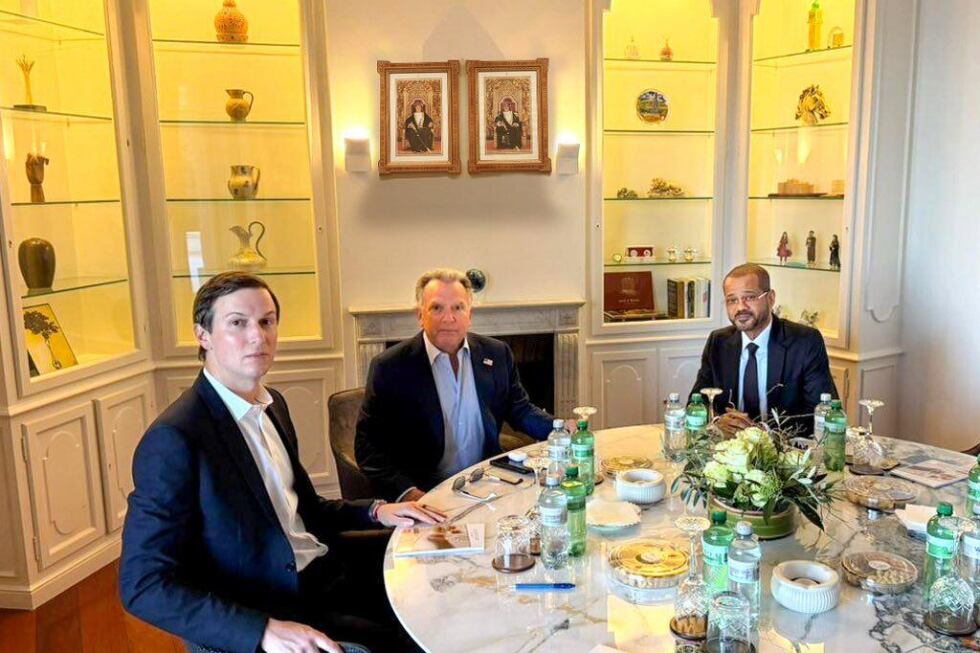
The diplomatic stage was set in Geneva on February 26, where delegations from the United States and Iran convened for what was described as a critical round of discussions concerning Iran's nuclear program. Representing the US were President Donald Trump's envoys, Steve Witkoff and Jared Kushner, signaling the administration's direct involvement at a high level. On the Iranian side, Foreign Minister Abbas Araghchi led the delegation, engaging in several hours of intense dialogue across two sessions.
The immediate aftermath of these talks provided a stark assessment from the Iranian side. Foreign Minister Araghchi told journalists that these were "the most serious and the longest negotiations" to date. This statement alone highlighted the gravity of the situation; after years of on-again, off-again engagement, both sides seemed to recognize the immense stakes. Crucially, inside the Trump administration, many viewed these Geneva talks as a last chance for diplomacy. The stark alternative, as reported by sources like Axios, was the potential for President Trump to initiate military action against Iran.
The very existence of these talks, despite the increasingly hostile rhetoric and the looming threat of conflict, underscores a fundamental truth in international relations: even when war appears imminent, the door to diplomacy often remains ajar, however narrowly. These Geneva meetings were not just about the nuclear program; they were a desperate attempt to de-escalate tensions and find a pathway back from the brink, a testament to the persistent need for US-Iran negotiations even under duress.
Escalation and Engagement: The Paradox of Conflict and Talks
No sooner had the dust settled on the Geneva talks than the situation took a dramatic turn, demonstrating the perilous tightrope walk between diplomacy and military action. President Trump, despite the ongoing negotiations, made a striking declaration: Iran, he claimed, now wanted to resume talks, and he had agreed. "They want to talk, and I agreed to that, so I will be talking to them," he stated, adding a characteristic note of frustration, "They should have done this earlier... They waited too long."
This admission of Iranian willingness to talk came with a chilling revelation. Trump hinted that some of the Iranian negotiators Washington had contacted in recent weeks had perished in recent military strikes. This shocking detail painted a grim picture of simultaneous engagement and destruction, where the very individuals tasked with de-escalation were becoming casualties of the escalating conflict. "They could have made a deal. They should have done it earlier. They were too tricky," Trump lamented.
The backdrop to these statements was an escalating military campaign. President Trump confirmed that US operations in Iran were "moving along very well" and "ahead of schedule." He characterized the Iranian regime as "very brutal" and emphasized the global importance of their actions. The primary objective, as he declared to Fox News, was to prevent Iran from acquiring nuclear weapons, asserting that without intervention, Iran would have had such capabilities "within two weeks."
The military offensive itself was swift and brutal. On February 28, the United States and Israel launched coordinated strikes on Tehran and other targets across Iran, with Trump explicitly stating his intention to "destroy the nuclear program of the Islamic Republic." He even called upon the Iranian army to lay down its arms and urged citizens to "take their destiny into their own hands." Iran retaliated, striking targets in Israel and other parts of the Middle East. While initial US reports claimed "minimal damage" to American facilities, the Central Command of the US Armed Forces later confirmed a tragic toll: three US service members killed and five seriously wounded.
The second day of the Israeli-American military operation brought an even more devastating blow to Iran. The Iranian side confirmed the deaths of Supreme Leader Ayatollah Ali Khamenei and several high-ranking security officials, including Defense Minister Aziz Nasirzadeh and Commander of the Islamic Revolutionary Guard Corps (IRGC) Mohammad Pakpour. The loss of such pivotal figures marked an unprecedented moment in the history of the Islamic Republic, raising profound questions about succession, stability, and the future trajectory of the nation. It was in this incredibly volatile environment that Trump announced Iran's desire for talks, highlighting a profound paradox.
Why Diplomacy Endures: Regional Imperatives and the Search for Stability
Despite the immense casualties, the devastating strikes, and the fiery rhetoric, the notion of continued dialogue persisted. Remarkably, plans for further Iran US negotiations remained in place even after these profound escalations. This persistence was largely due to urgent appeals from various regional leaders. Axios reported that at least nine countries in the Middle East reached out to the White House at the highest level, strongly urging the US not to cancel the planned meeting.
This regional intervention underscores a critical aspect of Middle Eastern geopolitics: while local powers may harbor their own rivalries, many share a common interest in preventing a full-scale, catastrophic conflict between two major players. The prospect of an uncontrolled war between the US and Iran would destabilize the entire region, with consequences far beyond their borders. These nations understand that maintaining any channel of communication, however fraught, is essential to mitigate broader disaster.
Thus, despite the immense challenges, Iranian Foreign Minister Abbas Araghchi confirmed on February 4 that "negotiations with the United States on the nuclear program" were scheduled for the morning of February 6 in Muscat, the capital of Oman. He expressed gratitude to "our Omani brothers for organizing all necessary arrangements." Oman, historically a neutral ground and a discreet mediator in US-Iran relations, once again stepped into its crucial role, demonstrating the value of third-party facilitators in seemingly intractable disputes.
The continuation of these talks, even after the deaths of Iran's Supreme Leader and other top officials, signifies a complex strategic calculus on both sides. For the US, maintaining a diplomatic channel, however tenuous, might be seen as a way to manage escalation, gather intelligence, and potentially secure a more favorable outcome without committing to an even costlier military engagement. For Iran, engaging in talks, even under duress, could be a tactic to seek relief from sanctions, garner international sympathy, and potentially leverage its position to secure concessions, all while navigating a delicate leadership transition.
The Stakes: De-escalation or Destabilization?
The ongoing US-Iran nuclear talks are more than just discussions about enrichment levels or sanctions relief; they are a crucible for regional stability. The stakes are extraordinarily high, with the potential for either a cautious de-escalation or a slide into broader, more destructive conflict. The delicate balance between military pressure and diplomatic overtures makes every statement, every action, and every negotiation round fraught with immense significance.
Tips for Understanding Complex Geopolitical Negotiations:
- Beyond the Rhetoric: Public statements often differ from private negotiating positions. Look for subtle signals and actions, not just bold declarations.
- Role of Proxies and Intermediaries: Third-party mediators (like Oman) and indirect channels are often crucial when direct contact is difficult or politically risky.
- Internal Dynamics: Understand the domestic political pressures influencing each side's negotiating stance. Leadership changes, like those in Iran, can drastically alter perspectives.
- Carrots and Sticks: Negotiations often involve a mix of incentives (sanctions relief) and coercive measures (military pressure).
- Long Game vs. Short Game: Some concessions might seem minor but contribute to a larger, long-term strategic objective.
The failure of these Iran US negotiations could plunge the Middle East into an even deeper crisis, with ripple effects across global energy markets, security alliances, and humanitarian concerns. Conversely, a breakthrough, however small, could set a precedent for managing future crises and rebuilding trust, however incrementally. The world watches, holding its breath, as these two formidable powers navigate a path that could either lead to a fragile peace or a devastating conflagration.
Conclusion
The current phase of US-Iran nuclear talks represents a watershed moment in the tumultuous relationship between Washington and Tehran. From the "last chance" diplomacy in Geneva to the desperate regional pleas for continued dialogue amidst direct military clashes and the loss of Iran's Supreme Leader, the situation epitomizes a dangerous paradox. Diplomacy persists not out of newfound amity, but out of a shared, albeit unspoken, recognition of the catastrophic alternative. As talks are planned for Muscat, the world can only hope that rationality and the imperative of de-escalation will prevail, paving a path away from the brink and towards a more stable future for the Middle East and beyond. The window for a diplomatic resolution may be closing, but while talks continue, a flicker of hope remains.