A Paradox of Power: Iran Seeks Talks Amidst Intensified US Operations
In a striking demonstration of geopolitical complexity, former President Donald Trump revealed that Iran has expressed a desire to re-enter negotiations with the United States, even as American military operations against the Islamic Republic reportedly progress "ahead of schedule." This extraordinary juxtaposition of diplomatic overtures and military escalation paints a vivid picture of the volatile relationship between the two nations, where the threat of conflict looms large over attempts at dialogue. The ongoing saga of US-Iran nuclear talks, often intertwined with broader strategic ambitions, continues to be a defining feature of Middle Eastern diplomacy.
Trump, known for his unconventional approach to foreign policy, confirmed that he had agreed to engage with Tehran, remarking, "They want to talk, and I agreed to that, so I will be talking to them. They should have done it earlier. They should have offered what would have been very practical and easy to do earlier. They waited too long." This statement underscores a perceived shift in Iran's stance, potentially driven by the increasing pressure from Washington and its allies.
High-Stakes Diplomacy: The Geneva Round and Lingering Tensions
The quest for dialogue, however, is not entirely new. Weeks prior to Trump's public announcement, delegations from the United States and Iran engaged in what was described as the "most serious and longest" round of negotiations concerning Iran's nuclear program. This critical meeting took place in Geneva on February 26th, a period already marked by heightened tensions between the two adversaries.
Representing the United States were Donald Trump's envoys, Steve Whitkoff and Jared Kushner, signaling the administration's direct involvement at a high level. Iran's delegation was led by the country's Foreign Minister, Abbas Araghchi. The talks spanned several hours, conducted over two extensive sessions in the morning and evening, reflecting the intricate and sensitive nature of the discussions. According to Araghchi, these interactions were unprecedented in their depth and duration, suggesting a genuine, albeit challenging, attempt to bridge significant divides.
Sources close to the Trump administration, including reports from Axios, indicated that many within the White House viewed these Geneva talks as a critical, perhaps even final, opportunity for diplomacy before the President might consider more drastic military action against Iran. This perspective highlights the razor's edge upon which US-Iran relations often balance, where the possibility of war is a constant, underlying current to any diplomatic engagement.
Trump's Dual Narrative: War Footing Meets Open Door for Dialogue
The American leader's remarks further complicated an already fraught situation. While agreeing to talks, Trump simultaneously boasted about the progress of US military operations in Iran, stating they were "advancing very well" and "ahead of schedule." In an interview with CNBC, he characterized the Iranian government as "a very brutal regime, one of the most brutal regimes in history," asserting that the US was acting "not only for ourselves but for the whole world." He optimistically added that events were unfolding in a "very positive direction."
This dual strategy—exerting military pressure while keeping a door open for diplomacy—is characteristic of Trump's "maximum pressure" campaign. He justified the ongoing operations by claiming that without US and Israeli intervention, Iran would have possessed nuclear weapons within "two weeks," making any future diplomatic solution impossible. Such statements serve to rationalize military action as a preventative measure, asserting its necessity while simultaneously offering an olive branch for Iran US negotiations.
However, the human cost of this escalation became starkly apparent when Trump chillingly noted that some Iranian negotiators, with whom Washington had been in contact in recent weeks, had "died as a result of the strikes." This revelation underscores the perilous environment in which these diplomatic efforts were taking place, highlighting the ultimate price of political intransigence and military confrontation. The former President reiterated his view that Iran could have made a deal earlier, accusing them of being "too clever."
The Escalating Conflict: A Violent Backdrop to Diplomacy
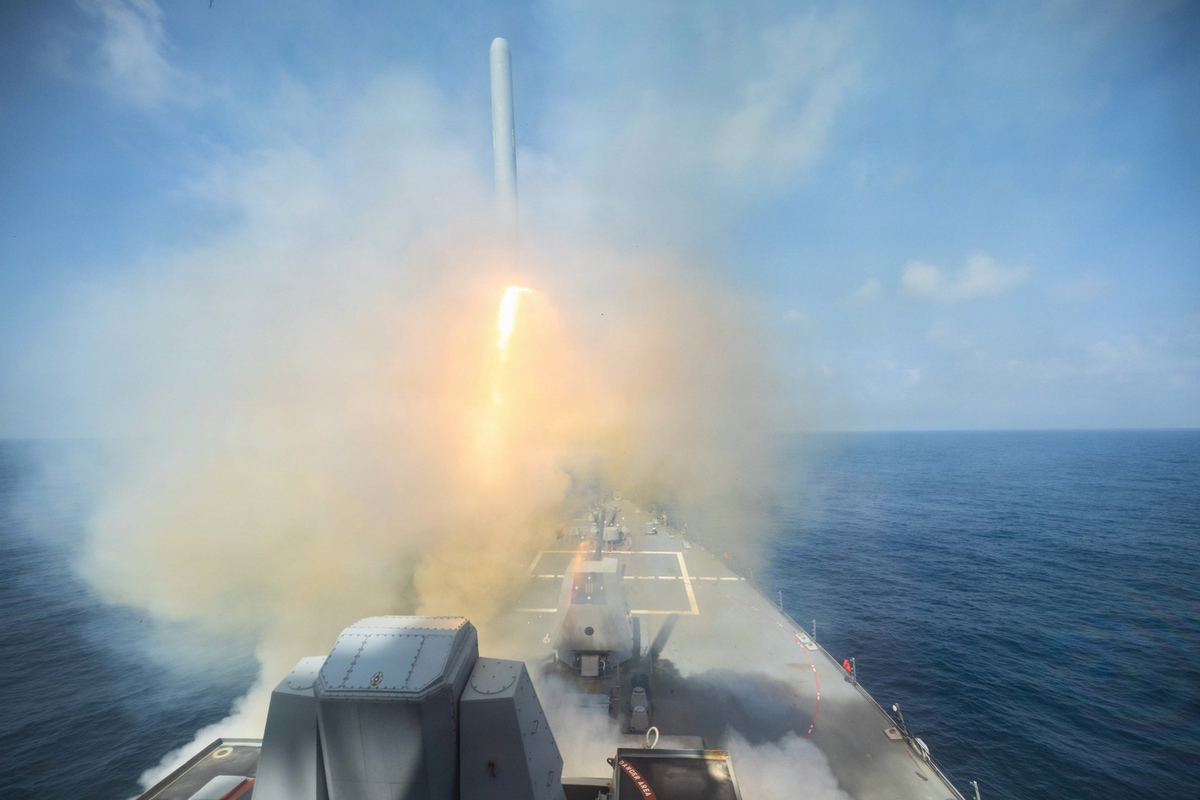
The military operations Trump referenced were significant and wide-ranging. On February 28th, Israel and the United States launched coordinated strikes on Tehran and other locations within Iran, with the stated objective of dismantling the Islamic Republic's nuclear program. Trump explicitly called upon the Iranian army to lay down its arms and urged the country's citizens to "take their destiny into their own hands," a direct appeal designed to sow dissent within Iran.
Iran swiftly retaliated with strikes against targets in Israel and other parts of the Middle East. Initially, the US Central Command downplayed the impact, reporting "minimal damage" to American facilities in the region on February 28th, claiming it had not affected ongoing operations. However, just two days later, on March 1st, this assessment was grimly revised: three US service members had been killed, and five seriously wounded, a testament to the severity of Iran's response.
The Iranian side suffered even more devastating losses. On the second day of the Israeli-American military operation, Iran confirmed the deaths of several high-ranking officials. Among the casualties were the country's Supreme Leader, Ayatollah Ali Khamenei, Defense Minister Aziz Nasirzadeh, and the Commander of the Islamic Revolutionary Guard Corps (IRGC), Mohammad Pakpour. The loss of such pivotal figures, particularly the Supreme Leader, represents an unprecedented blow to Iran's political and military leadership, inevitably impacting its future trajectory and capacity for negotiations.
Future Prospects and Regional Pressure for Iran US Negotiations
Despite the bloodshed and the staggering loss of life, the prospect of further US-Iran nuclear talks persisted. Plans for a meeting between US and Iranian representatives remained in place for February 6th in Muscat, the capital of Oman, following an initial dispute over the agenda. This commitment to continued dialogue was largely influenced by concerted efforts from regional leaders.
According to Axios, at least nine countries in the Middle East reached out to the White House at the highest levels, urgently appealing to the US not to cancel the upcoming meeting. This regional pressure highlights the pervasive concern across the Middle East regarding the potential for broader conflict and the urgent need for de-escalation. Oman, often a neutral ground for sensitive diplomatic endeavors, was once again poised to facilitate these crucial discussions. Iranian Foreign Minister Abbas Araghchi publicly confirmed the scheduled talks in Muscat, expressing gratitude to Oman for arranging the necessary logistics.
Practical Implications for Future Negotiations:
- The Mediator's Role: The consistent involvement of countries like Oman as neutral intermediaries is vital. They provide a safe, discreet space for high-stakes Iran US negotiations, which are essential when direct communication channels are fraught with hostility.
- Understanding Red Lines: Both sides must clearly articulate their non-negotiable positions while also identifying areas of potential compromise. The recent violence, particularly the high-level casualties, will undoubtedly harden some stances and redefine others.
- Internal Dynamics: The loss of key Iranian leaders introduces an element of uncertainty. New leadership may adopt different approaches to negotiations, potentially complicating or even facilitating future agreements. Analysts should closely monitor Iran's internal political shifts.
- Regional Stakes: The involvement of numerous regional actors underscores that the conflict between Iran and the US has far-reaching consequences. Any lasting resolution must consider the security concerns and interests of neighboring states.
- The Paradox of Coercion: While military pressure might compel a party to the negotiating table, it can also breed resentment and distrust, making genuine long-term agreements harder to achieve. Balancing coercion with credible diplomatic offers is a delicate act.
The ongoing narrative surrounding Iran and the United States remains deeply complex, a delicate dance between displays of force and tentative steps towards dialogue. As both sides continue to assert their strength and objectives, the world watches to see if diplomacy can ultimately prevail over the escalating tide of conflict, especially as the memory of recent, devastating losses lingers.