The Unyielding Pursuit of Diplomacy: US-Iran Negotiations Endure Amidst Tumult
In the volatile theatre of Middle Eastern geopolitics, the ongoing dialogue between the United States and Iran stands as a testament to the complex, often paradoxical nature of international relations. Even as military operations intensify, claiming high-level lives and fueling regional instability, diplomatic channels between Washington and Tehran stubbornly persist. This article delves into the latest rounds of these critical talks, examining their context, the challenges they face, and their profound implications for global security.
The Tense Dance of Diplomacy: Geneva Talks Amidst Escalation
A recent and pivotal moment in the bilateral engagement occurred on February 26, when delegations from the United States and Iran convened in Geneva for another round of discussions concerning the Iranian nuclear program. The US contingent, featuring envoys from President Donald Trump's administration, Steve Whitkoff and Jared Kushner, met with Iran's Foreign Minister, Abbas Araghchi. The talks stretched over several hours, held across two sessions in the morning and evening, highlighting the depth and gravity of the agenda.
Following the extensive meetings, Foreign Minister Araghchi characterized them as "the most serious and most prolonged negotiations" to date. This assessment underscores the critical juncture at which these US-Iran nuclear talks were held. Many within the Trump administration reportedly viewed these Geneva discussions as a final opportunity for diplomacy, a last resort before potentially escalating to military conflict. Such an ultimatum inherently complicates diplomatic efforts, placing immense pressure on both sides and suggesting that the very act of negotiation might be perceived differently by each party – one seeing a path to peace, the other, a necessary prelude to alternative actions.
The inherent difficulty of conducting high-stakes diplomatic discussions under the shadow of potential war cannot be overstated. When one party approaches the table believing it to be the "last chance" before military action, it fundamentally alters the dynamic. The leverage shifts, and the pressure to achieve concrete outcomes becomes almost insurmountable. For negotiators, this environment demands exceptional skill, resilience, and a nuanced understanding of the counterparty's red lines and strategic objectives, all while navigating domestic political pressures.
Trump's Stance: Acknowledging Talks While Escalating Operations
Amidst escalating tensions, American President Donald Trump publicly acknowledged Iran's desire to resume negotiations and his agreement to engage. "They want to talk, and I agreed to it, so I will talk to them," Trump stated, adding a dismissive note that Iran "should have done it sooner" and "waited too long." This rhetoric, characteristic of Trump's approach to foreign policy, simultaneously opened the door to diplomacy while chastising the adversary.
However, the President's comments revealed a far more unsettling reality. He declined to specify when such Iran-US talks might occur, instead dropping a bombshell: some of the Iranian negotiators with whom Washington had been in recent contact had tragically died in the recent strikes. "They could have made a deal. They should have done it sooner. They were too cunning," Trump remarked, linking their demise to their perceived intransigence.
Concurrently, Trump spoke confidently about US military operations in Iran, asserting they were "progressing very well" and "ahead of schedule." He characterized the Iranian government as a "very brutal regime," justifying the American intervention not only for US interests but "for the whole world." A critical justification for these actions, according to Trump, was the assertion that without US and Israeli intervention, Iran would have possessed nuclear weapons "within two weeks," making any future diplomatic solution impossible.
This dual messaging from the US President – expressing willingness for talks while simultaneously boasting about military success and confirming the deaths of Iranian counterparts – creates a profoundly challenging environment for any diplomatic breakthrough. It can be seen as a form of psychological warfare, aiming to weaken Iran's resolve at the negotiating table, or as a genuine reflection of a strategy that sees military pressure as a prerequisite for meaningful dialogue. For external observers and regional allies, this approach sows uncertainty, making it difficult to predict the true trajectory of US-Iran relations.
The Brutal Reality: Strikes, Casualties, and Persistent Dialogue
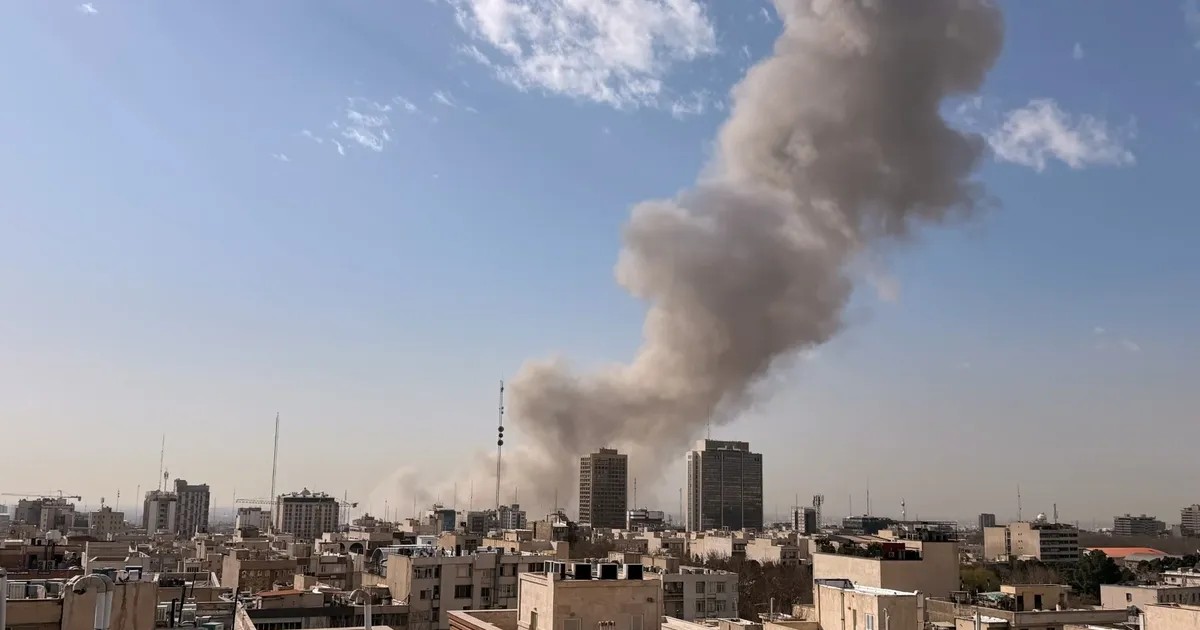
The backdrop to these convoluted diplomatic overtures was a brutal reality of military conflict. On February 28, the United States and Israel launched coordinated strikes on Tehran and other strategic locations across Iran. President Trump explicitly declared his intention to dismantle the Islamic Republic's nuclear program and called upon the Iranian army to surrender, urging the populace to "take their destiny into their own hands."
Iran swiftly retaliated, launching strikes against targets in Israel and other countries in the Middle East. Initially, the US Central Command reported "minimal damage" to American facilities in the region, claiming it had not impacted ongoing operations. However, this assessment was grimly revised on March 1, when the command confirmed the deaths of three US service members and serious injuries to five others as a direct result of Iran's retaliatory actions.
Perhaps the most shocking revelation of the second day of the Israeli-American military operation was Iran's confirmation of the deaths of several high-ranking officials. Among the casualties were the country's Supreme Leader, Ayatollah Ali Khamenei, Defense Minister Aziz Nasirzadeh, and Major General Mohammad Pakpour, Commander of the Islamic Revolutionary Guard Corps (IRGC). The loss of such pivotal figures, particularly the Supreme Leader, represents an unprecedented blow to Iran's leadership and introduces immense uncertainty into the country's political future and its strategic calculus.
The direct targeting and loss of high-level officials, including those potentially involved in past or future negotiations, significantly raises the stakes. It creates a deep trust deficit, making future dialogue fraught with suspicion and a thirst for retribution. For any US-Iran nuclear talks to proceed meaningfully after such events, both sides must confront an even greater chasm of animosity. The immediate human cost of these escalations also serves as a stark reminder of the devastating consequences of miscalculation in a region already simmering with geopolitical tensions. The notion of a "last chance for diplomacy" rings hollow when the military option has been actively pursued with such devastating effect, yet the imperative for dialogue remains, however challenging.
Resuming the Dialogue: Oman's Role and Regional Pressures
Despite the bloodshed and the unprecedented loss of life on both sides, plans for Iran-US talks remarkably remained on schedule. This continuation of dialogue was not solely due to the immediate parties' initiatives but also significantly influenced by concerted pressure from regional leaders. According to Axios, at least nine countries in the Middle East urgently appealed to the White House, imploring the US not to cancel the planned meeting, underscoring the widespread anxiety about a wider conflict.
Iran's Foreign Minister Abbas Araghchi announced on February 4 that "negotiations with the United States on the nuclear program" were scheduled for the morning of February 6 in Muscat, the capital of Oman. He expressed gratitude to "our Omani brothers for organizing all necessary arrangements." Oman, known for its neutral stance and diplomatic dexterity, has historically served as a critical intermediary in sensitive negotiations involving Iran and Western powers. Its role as a facilitator demonstrates the enduring need for neutral ground where even the most bitter adversaries can convene.
The intervention of regional powers highlights a crucial aspect of Middle East diplomacy: the interconnectedness of security and stability. A full-scale conflict between the US and Iran would inevitably send catastrophic ripple effects throughout the region, impacting economies, alliances, and humanitarian situations. Thus, the persistent calls for dialogue, even amidst grave provocations, reflect a collective desire to prevent an uncontrollable conflagration.
Key Considerations for Future US-Iran Negotiations:
- Altered Objectives: Given the fatalities and heightened military actions, the objectives of both sides at the negotiating table may have dramatically shifted beyond just the nuclear program.
- Deepened Trust Deficit: The deaths of high-ranking officials on both sides, particularly Iran's Supreme Leader, will make trust-building an even more formidable challenge.
- Role of Mediators: Neutral states like Oman become indispensable, offering a rare space for communication when direct channels are fraught with peril.
- Domestic Pressures: Leaders in both Washington and Tehran face immense domestic pressure to demonstrate strength and protect national interests, potentially limiting their flexibility in negotiations.
- Holistic Agenda: While the nuclear program remains central, the scope of discussions might need to broaden to address regional security, missile capabilities, and the future of diplomatic relations.
Conclusion: A Fragile Path Forward
The current state of US-Iran relations presents a stark paradox: intense military confrontation and high-stakes diplomatic engagement are unfolding simultaneously. Despite fatal strikes, tragic loss of life, and unprecedented high-level casualties, the imperative for dialogue between Washington and Tehran remains. The upcoming US-Iran negotiations in Muscat, facilitated by Oman, represent a fragile, yet essential, lifeline in a sea of escalating tensions. The global community watches anxiously, understanding that while the path forward is fraught with challenges and distrust, continued diplomatic efforts, however difficult, are the only viable route to de-escalation and the prevention of a wider, catastrophic conflict in the Middle East.